
There are two of us doing the advising, and no associate to hand your file to once we've taken it on. A small team of researchers and bookkeepers keeps things running behind us — but the person who reads your matter is the person who answers your questions about it.
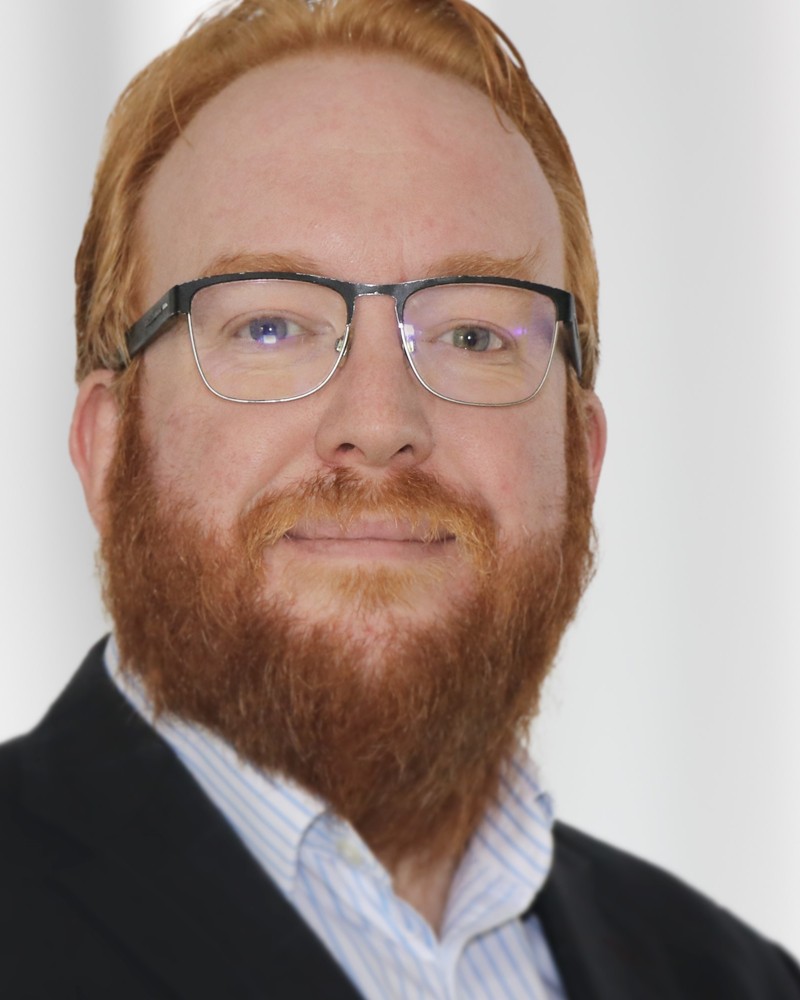
Co-founder · Regulatory economics & public affairs
Peter began his career selling ERP systems to car manufacturers. He has spent the twenty years since at the point where telecoms regulation meets the numbers underneath it.
He is not the accountant here — that is Carol, below. Peter's training is in economics and management, and his subject is regulatory economics: what a rule costs, whom it moves money to, and whether the model behind it survives contact with the evidence. At Gamma Communications plc he ran the regulatory and government affairs functions, responsible for the procurement of more than £100m a year in regulated wholesale inputs. He has followed almost every telecoms case before the Tribunal or above since 2009, in the room or in the transcript. Since founding Exonia he has advised operators, platforms, boards and their investors across the UK, the EU and North America, and clients with interests in the United States, Australia, France, Germany, Belgium, Portugal, Italy and Hong Kong. He works increasingly with AI-native platforms, and is currently operating principal of one.
Alongside the practice, he has taken equity stakes and fractional C-suite roles in operating businesses: he held both at Ziron, until its sale to Telcoswitch (now Yay), and he co-founded Telesmart (telesmart.io), where he also served in a fractional C-suite capacity. He also holds Licensed Access recognition from the Bar Standards Board — the right to instruct a barrister directly on contentious regulatory matters, without a solicitor in between.
He read Physiological Sciences at Oxford. The subject changed; the habit did not — look at the evidence, ask what would falsify the claim, and treat a confident number with suspicion until you know how it was made. On forecasting he offers clients exactly one guarantee: that he is wrong. The work is in knowing by how much, and in which direction.
In legislative & regulatory work
Further matters
In contested proceedings
Further matters
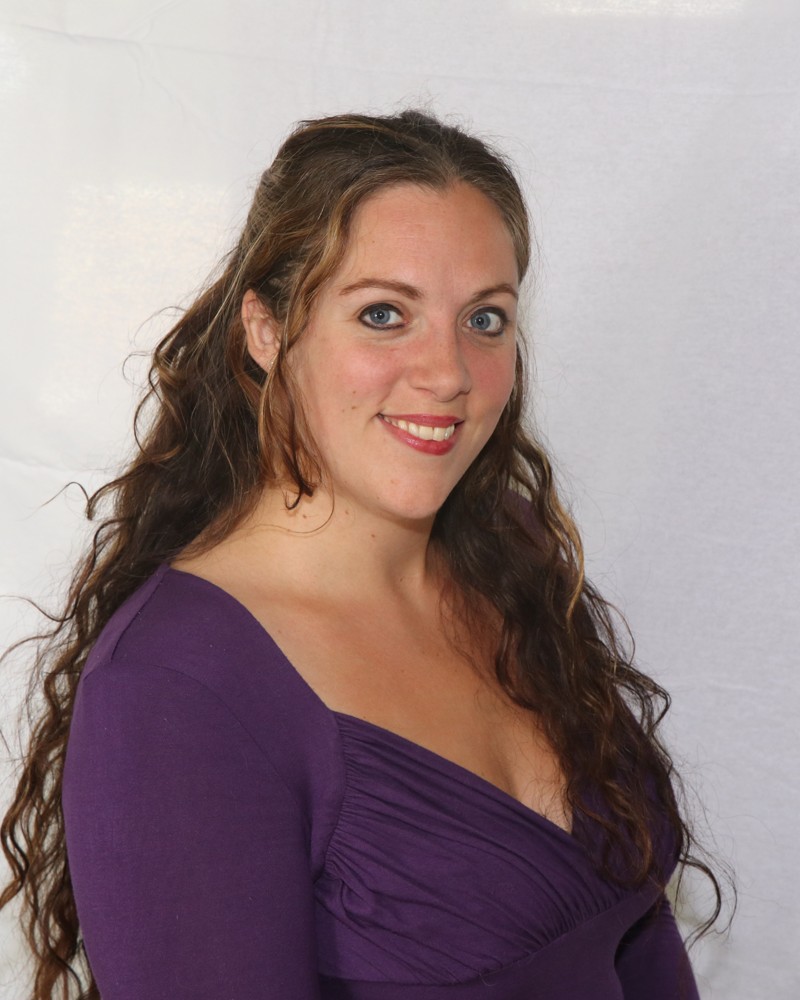
Co-founder · Financial, tax & governance
Rigorous enough for a public company audit. Down to earth enough for a shoebox of receipts. Carol is the reason Exonia can call itself a chartered practice. She is a Chartered Professional Accountant in Canada and a Chartered Management Accountant in the United Kingdom, where she holds a CIMA practising certificate. She has spent 15 years on the statutory, tax and governance side of the businesses Peter argues about with regulators.
She qualified at Gamma Communications plc, where she worked on pricing and business analysis, before moving into the wealth management arm of Lloyds Bank. From there she worked on the flotation of The Gym Group, then moved in-house at BAE Systems. That range — telecoms, retail banking, an IPO, and defence — is now behind Exonia's small business statutory accounting and tax work, and her role advising clients on governance and capital structure. For scale-ups, that increasingly means designing and implementing EMI option and growth share schemes.
She is also the reason Exonia is a Companies House Authorised Corporate Service Provider. Since November 2025 every UK director and person with significant control has had to prove who they are before they can take up the role — quick for most, but a wall for founders outside the UK and EU without a biometric passport, and one that stops the company being formed at all. Carol takes those formations on herself, verifying overseas founders by the manual route the government's own app cannot, so a genuinely complex cross-border incorporation clears the identity gate rather than failing at it.
Increasingly, she and Peter take clients through exit together: pre-DD compliance and housekeeping first, then the due diligence itself, across commercial, legal, finance and tax.
She read Physics and Philosophy at Oxford, which is an unusual route into accountancy and, on reflection, a direct one. One half of the degree teaches you to measure something. The other teaches you to ask what the measurement is claiming. A set of accounts is both, and most of the interesting questions live in the second half.
For new instructions, or just to ask whether this is the right kind of question for us — email directly and you'll hear back from Peter or Carol, not an inbox.